Smart Agriculture
Agriculture employs over 70% of the Kenyan population, yet productivity remains relatively low. Approximately 30% of food produced is lost due to poor post-harvest handling and storage practices.
Affordable Health
Kenya faces a shortage of healthcare workers, with only 1 doctor for every 5,000 people, impacting access to quality healthcare services.
W.A.S.H
Approximately 41% of Kenyan households lack access to basic sanitation facilities, contributing to water contamination and hygiene challenges.
Sustainable Energy
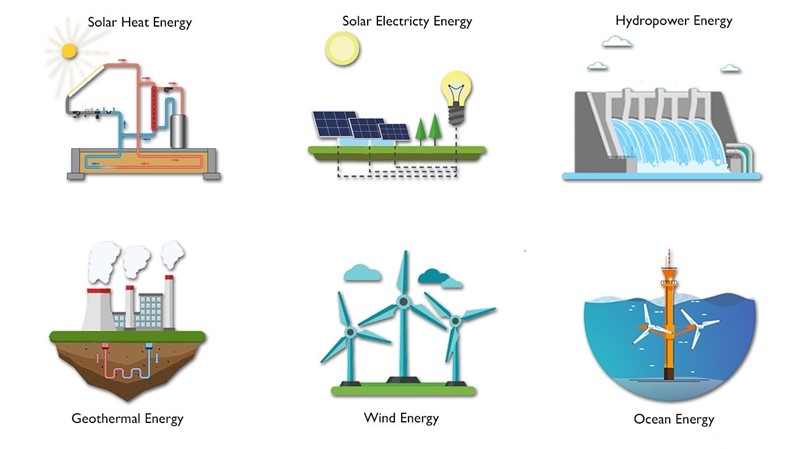
Roughly 80% of Kenya's energy consumption relies on biomass, contributing to deforestation and indoor air pollution. Kenya has made strides in renewable energy, with 95% of electricity generation coming from sources like hydro, wind, and solar.
These statistics illustrate the complex challenges facing Kenya in these key areas and underscore the importance of these initiatives. At SISITI, we recognize that these issues are interconnected, and by addressing them comprehensively, we aim to create lasting positive change for the communities we serve.
What We Do
We exist to alleviate poverty, improve livelihoods, remove all forms of dependency, deliver self-sufficiency and unlock the human potential of our local communities. We replace poverty with prosperity and restore human dignity. We recognize that development can only be sustainable if it enables communities to take their future into their own hands.
How We Do it
We empower farmers with knowledge and tools on smart agriculture and value addition to boost food security; We fight malnutrition in schools by working with partners to deliver nutritious foods to schols thereby enhancing quality learning; We conduct W.A.S.H programs in schools and local communities to prevent diseases; We initiate clean water projects by working with partners to boost water security; We partner with health organizations to conduct medical aid and awareness programs ; We train households on the use of renewable energy sources such as biogas and solar to promote energy self-sufficiency.
Food Security
Crop yields are often affected by erratic rainfall patterns and inadequate access to modern farming practices. Smart agriculture practices, including precision farming and organic methods, are gaining traction but have not yet been widely adopted.
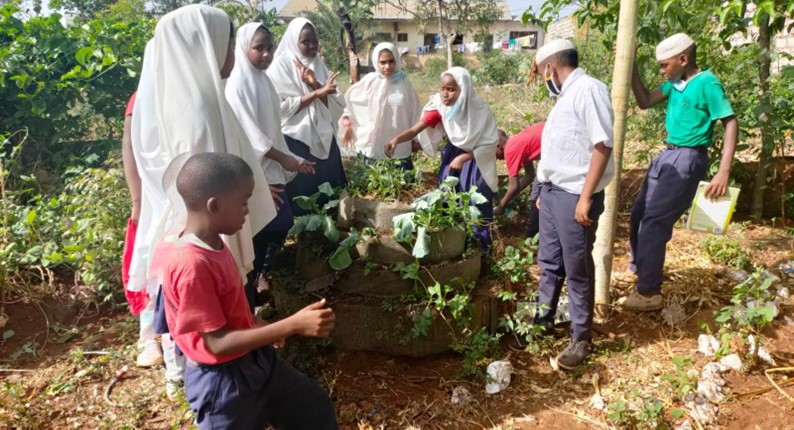
- SISITI's agricultural initiatives promote sustainable farming practices, improving food production and income for local farmers through value addition. This is achieved by training communities and school children on organic and urban farming facilitating opportunities exploration around agroecology.
- Nutrition education is integrated into our programs to promote healthy eating habits.
Agricultural Programs
Nutrition Education
Health
Maternal and child health remains a concern, with maternal mortality rates at 342 deaths per 100,000 live births and child mortality at 52 per 1,000 live births. Many Kenyans still struggle with access to essential medicines and healthcare facilities, particularly in rural areas. Efforts to improve healthcare infrastructure and access are ongoing, but challenges persist.
- SISITI's healthcare programs aim to improve the wellbeing of community members. We seek to provide access to healthcare services, conduct health awareness campaigns, and facilitate medical outreach programs.
- Through our initiatives, we have witnessed a significant improvement in health indicators within our target communities. These include reduced disease prevalence, increased vaccination rates, and improved maternal and child health outcomes.
- We seek to collaborate with local healthcare facilities, government agencies, and international organizations to ensure sustainable access to quality healthcare services.
Healthcare Initiatives
Impact on Community Health
Partnerships in Health

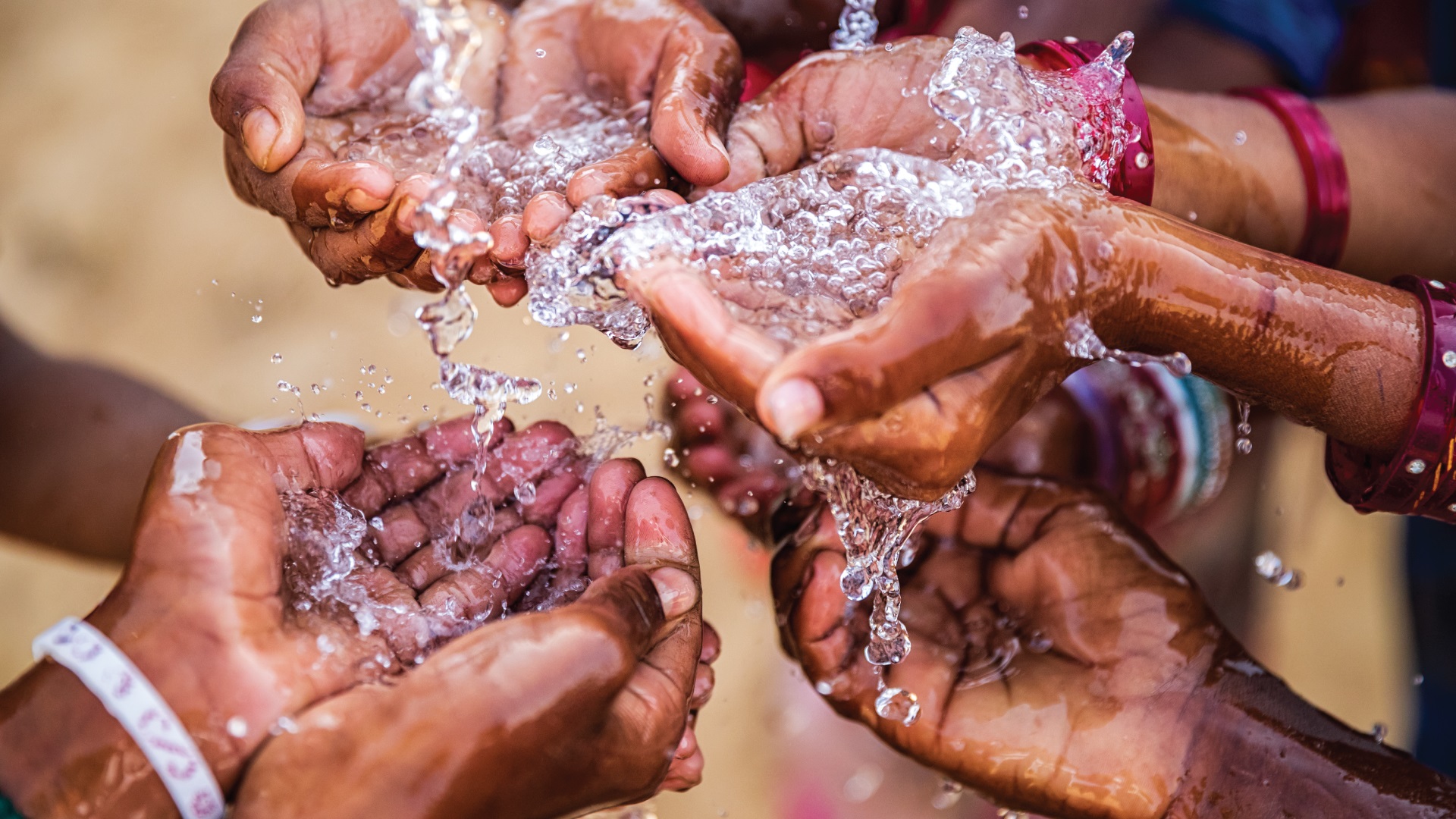
Water, Sanitation and Hygiene (W.A.S.H)
Waterborne diseases, such as cholera, continue to affect communities due to contaminated water sources. Hygiene education and awareness campaigns are essential, especially in marginalized areas.
- SISITI seeks to initiate clean water projects, ensuring communities have access to safe drinking water sources. Our efforts are aimed at reducing waterborne diseases and improving overall health.
- We seek to promote proper sanitation practices, including the construction of sanitary facilities and waste management initiatives. This will lead to enhanced community hygiene.
- Hygiene education is a cornerstone of our W.A.S.H programs. We seek to conduct workshops and awareness campaigns to instill good hygiene practices.
Clean Water Access
Sanitation Improvement
Hygiene Promotion
Sustainable Energy
Access to modern and sustainable energy sources remains limited in remote and underserved areas. Despite progress, there is still a need to extend energy access and reduce reliance on fossil fuels for transportation.
- SISITI is committed to sustainable energy solutions. We seek to promote the use of renewable energy sources, reducing reliance on fossil fuels and mitigating environmental impact.
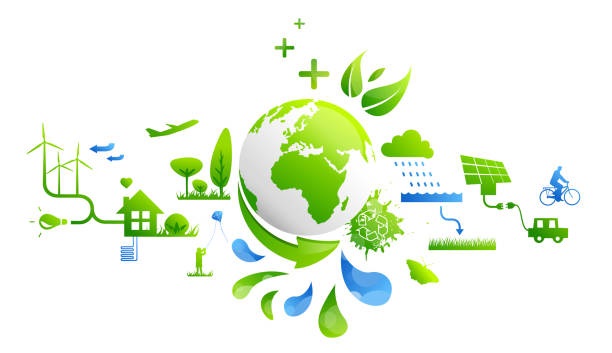
- Our sustainable energy initiatives contribute to reduced carbon emissions and improved air quality, benefiting both the environment and public health.
- We seek to extend energy access to remote and underserved areas by advocating for use of solar and biogas energy, enhancing the quality of life for residents.
Promoting Sustainable Energy
Environmental Benefits
Energy Access in Remote Areas